Flush Casement Windows
The joinery look of a traditional window, with modern locking, gaskets and glazing behind it.
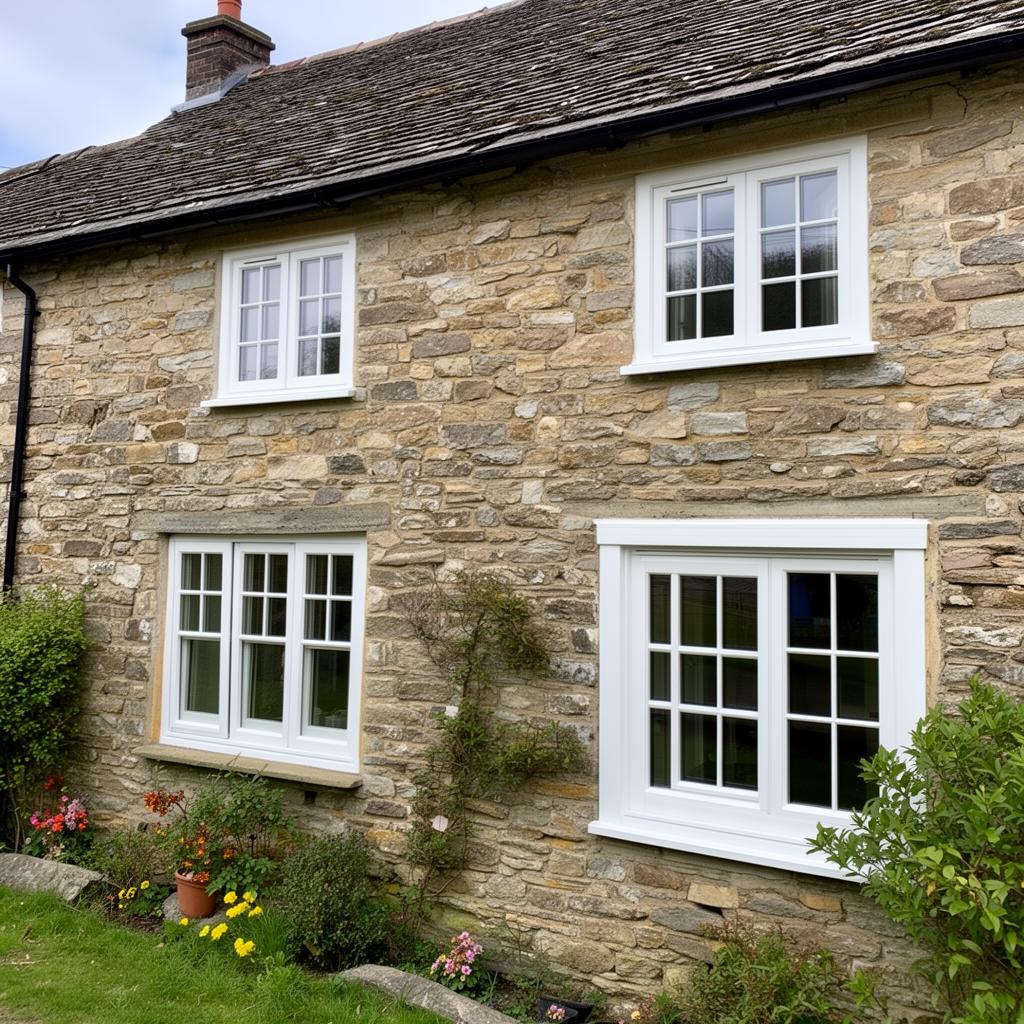
A flush casement closes into its frame so the opening sash and the outer frame finish on the same face. Seen from the pavement, it reads like the timber windows that were fitted to cottages and terraces before the stepped stormproof profile took over in the late twentieth century.
We survey, supply and fit flush casements across Devon, Cornwall, Dorset and Somerset in both uPVC and timber, and it is one of the most requested upgrades on period frontages.
Why people choose flush
The main reason is how the front of the house looks. A flush frame throws a single, crisp shadow line rather than the double step of a lipped sash, so glazing bars, sills and heads line through cleanly. It is also the profile conservation officers are far more likely to accept in a conservation area.
- One flat outer face, matching traditional joinery
- Suits heritage foils and painted timber colours
- Takes astragal or Georgian bars without looking fussy
- Multi point locking pulls the sash evenly onto the gaskets
uPVC or timber flush casements
Flush uPVC systems finished in a woodgrain or heritage foil have become very convincing, and they are the usual answer where planning allows uPVC but the look still matters. In uPVC, flush casements typically cost around £750 to £1,200 per opening fitted in a heritage colour.
Timber flush casements, usually engineered hardwood and factory painted, suit listed buildings and houses where the officer insists on timber. Those typically sit at around £1,200 to £2,000 per opening fitted.
What the flush premium buys
Compared with a standard stormproof casement, a flush design typically adds around fifteen to twenty five per cent. On a street facing elevation of a period property that premium is money well spent. On a rear elevation or a modern build a good stormproof casement is often the better use of the budget, and mixing the two on one house is completely normal.
Weather and coastal homes
People worry that without the overlap a flush sash will let in driving rain. Modern systems use several gasket lines to seal the sash, and on a properly fitted window the difference in daily use is negligible. Within a mile of the coast we fit marine grade stainless hinges and locking gear as standard.
Questions people ask
Are flush casements more expensive to maintain?
No. uPVC flush frames need the same occasional wash as any uPVC window, and factory painted timber has a long first repaint cycle.
Can my existing windows be converted to flush?
No, the profile is built into the frame. If your frames are sound and you only want a new colour, spraying is the cheaper route.
Will a flush casement pass in a conservation area?
It is the casement style most likely to be accepted, particularly in timber or a convincing heritage finish. Our conservation area guide covers the detail.
How long do they take to arrive?
Manufacture typically takes three to six weeks depending on colour and material, and a whole house is usually fitted in two to four days.
Get a free, no pressure survey
We measure, advise on the right option for your property and put the price in writing. Every installation and spray project carries our 10 year guarantee.
Ready to start your project?
Free quotes · 10-year guarantee · Friendly local service.