
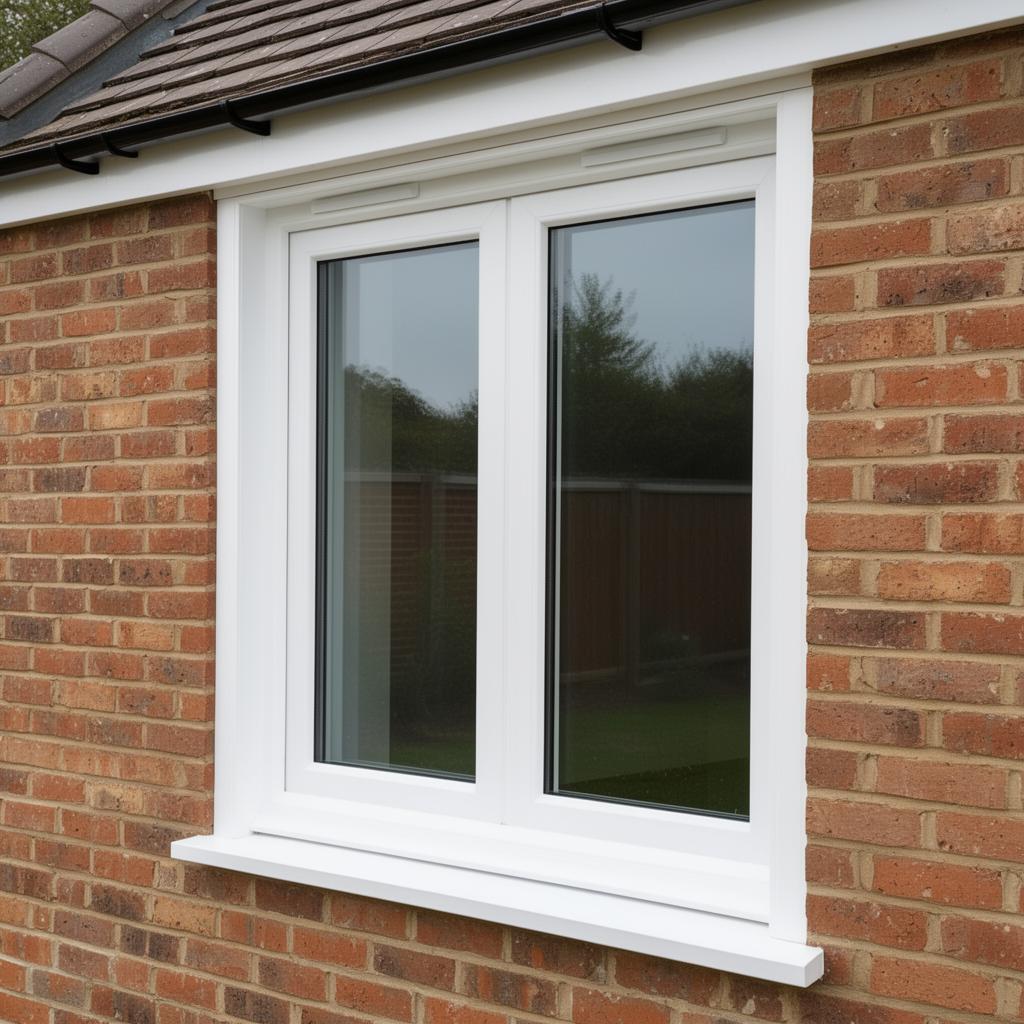
Window Won’t Close
Work out where it catches without forcing the handle or putting yourself at risk.
A window that will not close can have an obstruction, a hinge problem, a misaligned opening sash or a locking fault. The useful first distinction is whether the sash cannot reach the frame, whether it closes but will not lock, or whether it locks yet leaves a gap. Those observations help a repair assessment far more than forcing the handle.
Dual Finish offers window repairs across Devon, Cornwall, Dorset and Somerset, including hinges, handles, seals and misted units. This page is a safe diagnostic checklist for uPVC and aluminium windows, not instructions to dismantle locking hardware. If the opening is insecure or difficult to reach safely, stop and arrange professional advice.
Check the opening before the mechanism
Look for something physically blocking the sash: a blind cord, a curtain, a loose object on the sill or debris caught where the frame closes. Keep hands clear of pinch points and only inspect surfaces you can reach safely from inside. Do not lean out of an upper-floor window to see the outside edge.
If there is an obvious loose object, move it away and try the normal closing motion gently. If the window still catches, note which edge meets the frame first. A scraping bottom corner and a sash that stops evenly all round suggest different problems; the observation is useful even if you cannot identify the failed part.
Does the sash catch on the frame?
When one corner catches before the rest of the sash, hinges or alignment may need attention. The existing repairs service covers hinge problems, but the exact cause cannot be established from the symptom alone. A worn hinge, a dropped sash and an obstruction can feel similar at the handle.
Do not file the frame, lever the sash with a tool or repeatedly pull it into place by force. Those actions can damage the finish or glass and obscure the original fault. Take a photograph showing the gap or catching corner from a safe position and explain whether the problem developed gradually or appeared suddenly.
It closes, but the handle will not lock
A handle that moves normally while open but resists as the sash closes may indicate that the locking points are not lining up. A handle that will not operate at all may have a different mechanism problem. Neither observation justifies forcing it; resistance is a reason to stop rather than apply more pressure.
Window lock repair depends on the actual hardware and the condition of the frame. Note the window style and photograph the handle and any visible hardware without taking it apart. If a key is used, check you have the correct key and do not turn it against resistance. Ask the repairer whether adjustment, a replacement handle or further investigation is appropriate.
Check seals without cutting or removing them
A loose gasket can obstruct closing, while a damaged seal can leave a draught even when the sash seems shut. Look for a visible section that has moved out of its normal position. Do not trim it to make the window fit or glue it in place without knowing the correct repair.
If the window locks but still feels draughty, record where air enters and whether there is an uneven gap around the sash. That may require a sealing or alignment assessment rather than a lock replacement. Misting between the panes is another separate fault: changing a handle will not repair a failed sealed glass unit.
What to tell the repair team
Explain whether the window is stuck open, catches before closing, closes without locking or locks but leaks air. Include the material, opening style and floor level. Say whether a restrictor is fitted and whether anything changed shortly before the problem started, such as a handle becoming loose or the sash being knocked.
Photographs of the whole opening and the problem area help describe the work, but they do not replace an inspection. Keep the opening secure by a safe temporary arrangement if possible and avoid using the window until advised. If there is an immediate safety or security concern, obtain appropriate urgent help rather than leaving the issue unattended.
Repair first, replacement when needed
Where the frame is sound, attention to hinges, a handle or seals may restore the existing window. If several parts have failed or the frame is no longer serviceable, replacement may be more sensible. The survey should distinguish a repairable component from a window that needs a full change.
Spraying is not the solution to a window that will not close. It changes the finish of sound frames, not their alignment or locking action. Arrange the functional assessment first, then consider a colour refresh only when the window operates properly. Use the window repairs service to discuss the fault and the suitable next step.
Questions people ask
Should I force a window that will not close?
No. Stop if it resists. Forcing the sash or handle can cause damage; check for a safe-to-remove obstruction and arrange an assessment.
Can a broken handle be repaired without a new window?
A handle or hinge problem may be repairable in a sound frame. The hardware and condition need to be assessed first.
Will spraying fix a window that does not lock?
No. Spraying changes the surface finish; locking and closing faults need a functional repair assessment.
Get a free, no pressure survey
We measure, advise on the right option for your property and put the price in writing. Every installation and spray project carries our 10 year guarantee.
Ready to start your project?
Free quotes · 10-year guarantee · Friendly local service.