
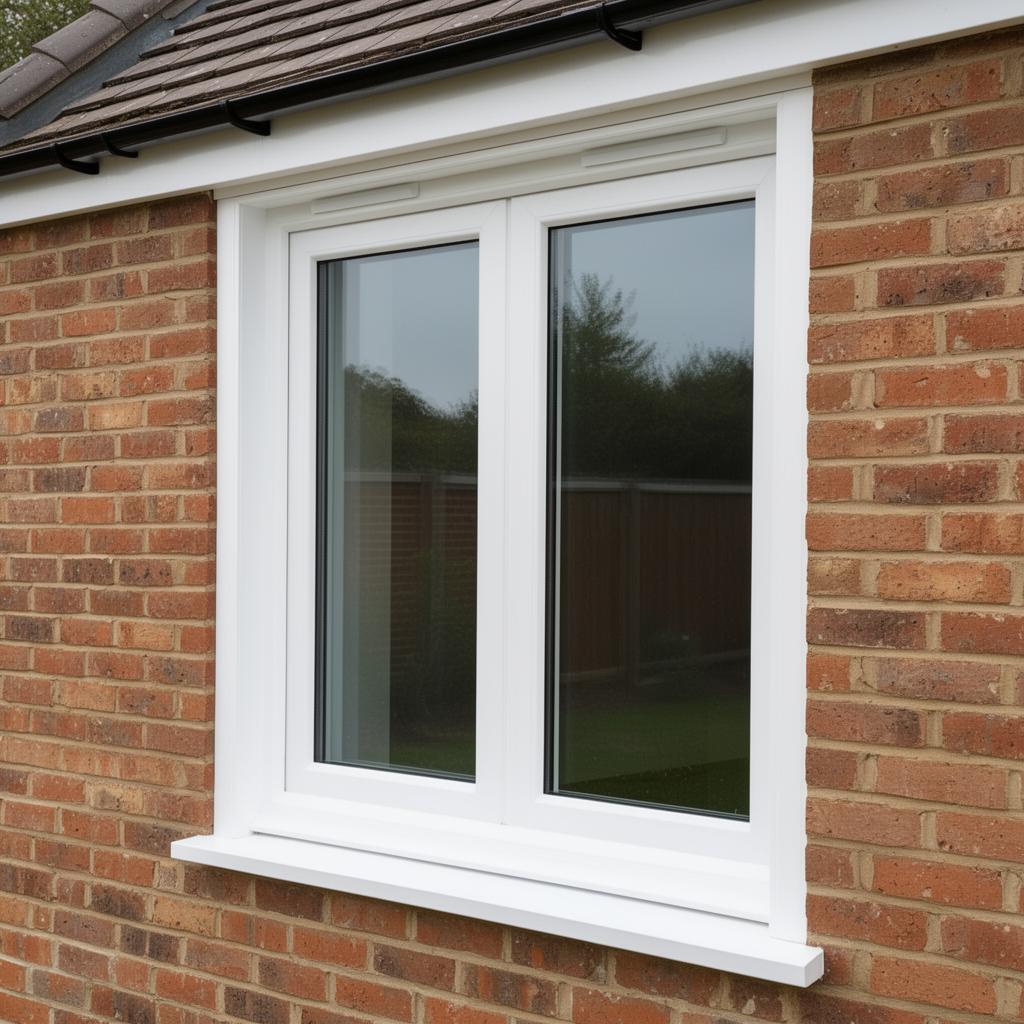
Grade II Listed Commercial Building Windows
Specifying replacement or refurbished windows on a listed shop, office, hotel or pub.
Windows on a Grade II listed commercial building are specified in the same way as on a listed home: listed building consent comes first, and the new or repaired windows must match the historic pattern, profile and materials closely. What changes is the paperwork around it, because a business also has to plan for trading hours, fire safety, tenants and maintenance access.
This guide sets out the specification process for owners, managing agents and tenants, what the conservation officer will look for, and where refurbishment or respraying can be a better answer than new joinery.
Consent applies whatever the use
Listing protects the building, not the use, so a shop, office or pub needs listed building consent for any window work that affects its character, exactly as a house would. Carrying out unauthorised works to a listed building is a criminal offence, and responsibility can rest with the owner even where a tenant arranged the job. On a leased property, check the lease for repair and alteration clauses and get the landlord's written agreement before any application.
What a commercial specification includes
Officers respond far better to a clear window schedule than to a general request to replace everything. Separating surviving historic windows from later, unsympathetic ones usually decides what can realistically be approved.
- A measured survey of every opening, with photographs of existing joinery
- Elevation and section drawings showing frame, bar and moulding profiles
- A schedule noting which windows are original and which are later
- Glazing type for each window: single, slim double or secondary
- Paint colour and finish, often matched to a historic reference
- Ironmongery, restrictors and any ventilation requirements
Shopfronts and upper floors
On many high street buildings the ground floor shopfront has been altered several times while the upper sashes and casements survive. Those upper windows are often the most significant historic fabric on the elevation, and the case for repair rather than replacement is strongest there. Shopfront glazing is usually treated separately, with its own drawings and sometimes its own signage and advertisement consent.
Fire, access and safety
Commercial premises carry duties a private house does not. Windows that form part of a means of escape, glazing in critical locations that must be safety glass, and restrictors on upper floors open to the public all need thinking through at the design stage. Raising those points early lets the heritage detail and the safety requirement be solved together, instead of forcing a late compromise that the conservation officer then rejects.
Keeping the business open
Work on a trading building is best phased elevation by elevation or floor by floor, so that rooms can keep operating and the premises are never left insecure. Timber windows made to measure have a manufacturing lead time, so programmes are normally built around confirmed delivery dates rather than a single fixed start. Sheeting, dust control and out of hours working on public frontages are agreed before work begins.
Refurbish, respray or replace
Not every tired listed window needs replacing. Where the joinery is sound, repair, draught sealing and redecoration keep the historic fabric and are far easier to get consent for. On later metal or uPVC frames that are sound but faded, commercial window spraying can refresh the colour on site, although any change of colour on a listed building should still be cleared with the local authority first. Full replacement is reserved for windows that are beyond repair or that are modern and unsympathetic.
Questions people ask
Does a listed shop need consent to replace its windows?
Yes. Listed building consent is needed for any window works that affect the character of a listed building, whatever it is used for.
Can a listed commercial building have double glazing?
Sometimes, usually as slim units in timber frames where the existing windows are not original. Surviving historic windows are more often kept with secondary glazing.
Who applies for consent, landlord or tenant?
Either can apply, but the owner's written agreement is needed and responsibility for unauthorised work can fall on the owner.
Can work be done without closing the business?
Usually, by phasing the work room by room or elevation by elevation around trading hours.
Get a free, no pressure survey
We measure, advise on the right option for your property and put the price in writing. Every installation and spray project carries our 10 year guarantee.
Ready to start your project?
Free quotes · 10-year guarantee · Friendly local service.