St Austell Cottage & Thatched-Property Windows (PL25)
cottage windows in St Austell (PL25) — honest advice, no phone estimates, 67 miles from our Cranbrook base via the A390.
In St Austell, cottage jobs come with three common surprises: out-of-square openings, soft substrates and owners who don't want to lose the leaded-light look. All three are our bread and butter, and Cornwall Council has seen our detailing on repeat submissions.
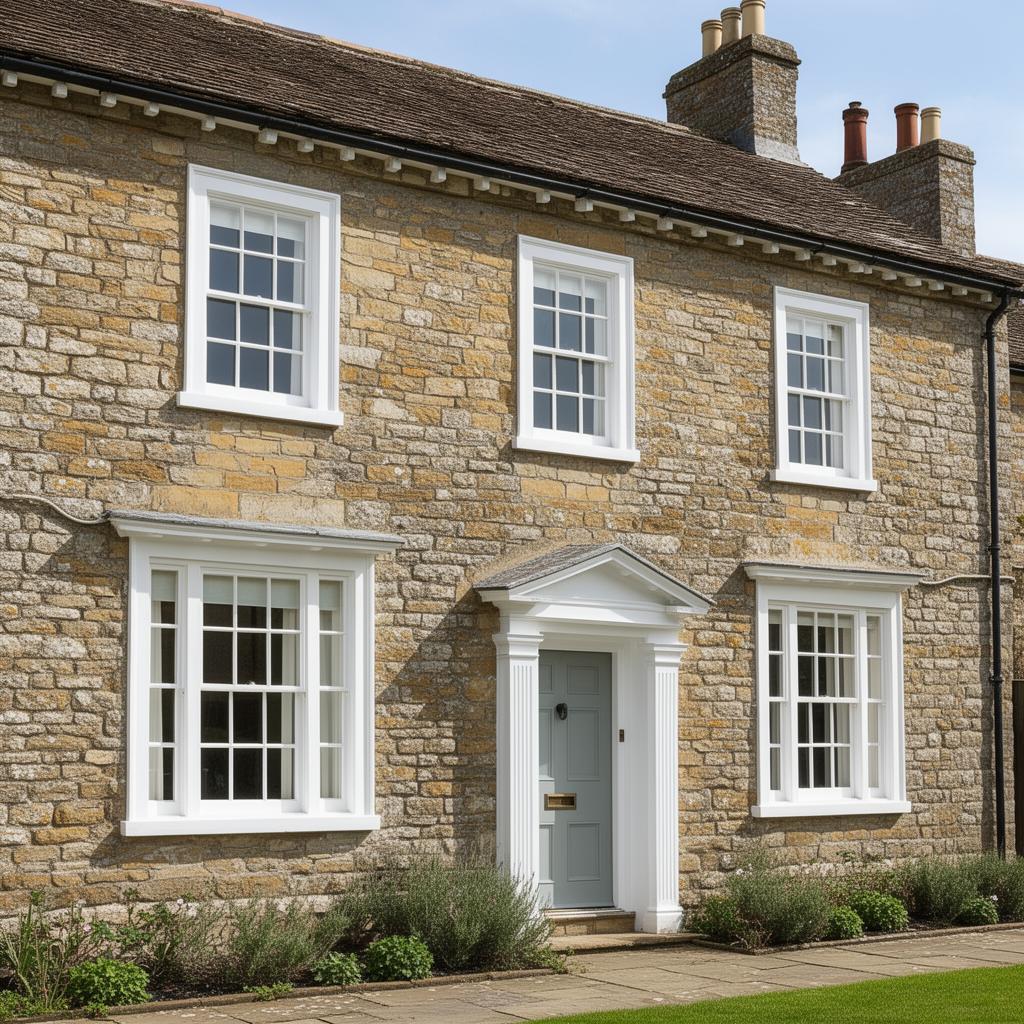
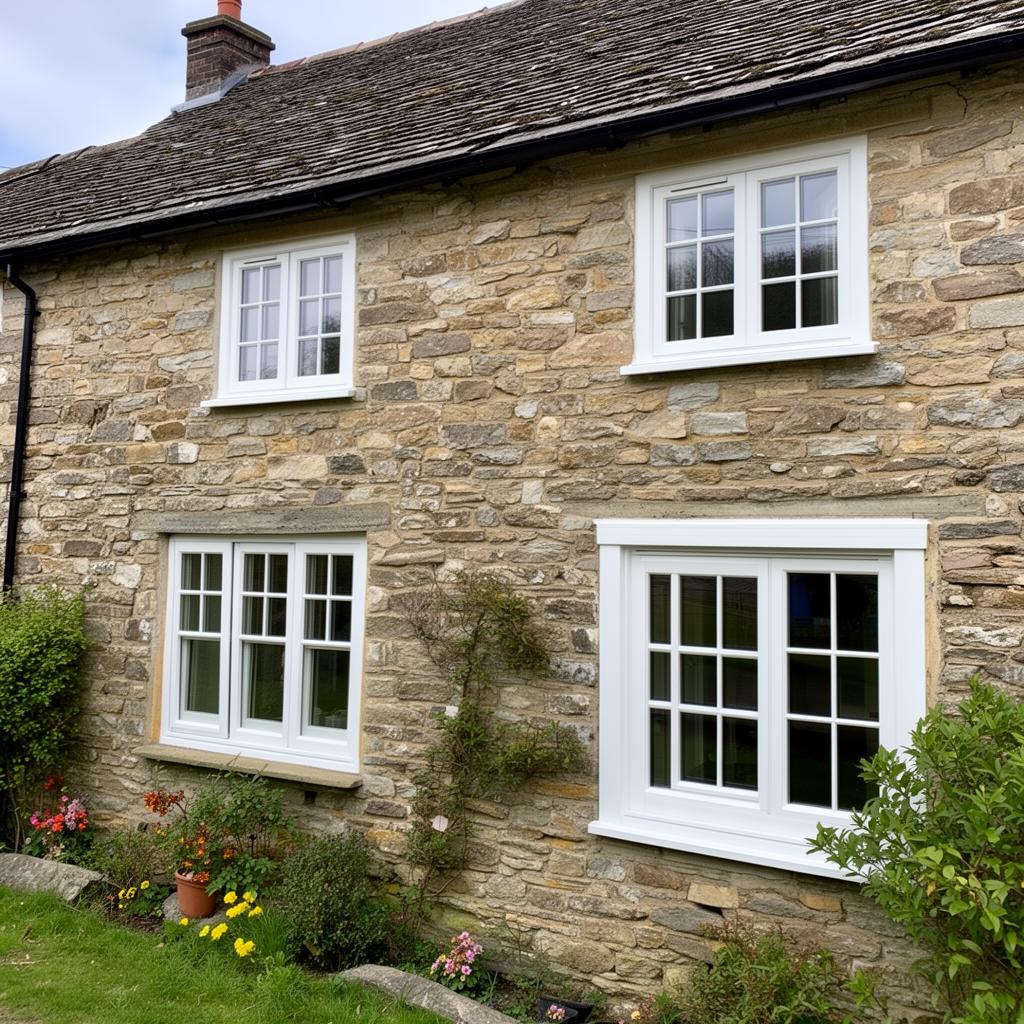
Cottages around St Austell — from cob and thatch out to rendered stone by Par (4 mi east), Fowey (7 mi east), Lostwithiel (7 mi north-east), Bodmin (9 mi north) — rarely give you a square opening. Every frame we make for a St Austell cottage is templated on site and finished to sit right against the reveal.
Local context: St Austell's housing reflects its china-clay history — terraces of small workers' cottages built for clay families, plus a harbour conservation area at Charlestown that's strictly controlled. Common triggers we hear from St Austell owners are small awkward openings on clay-era terraces and salt-spray pitting on Charlestown harbour frames.
Housing stock around St Austell skews toward china-clay-era terraces, harbour cottages at charlestown, modern eden-area new-builds — each has its own reveal depth, sightline expectation and detail that our cottage spec answers directly.
A typical cottage brief in St Austell looks like small bespoke casements made to fit non-standard clay-cottage openings, or on the refresh side, Charlestown frame respray to a sympathetic heritage off-white.
Planning note for St Austell: Charlestown is a Grade II* registered Georgian harbour with very strict design controls.
Neighbourhoods and villages we're regularly in around St Austell: Mevagissey, Charlestown, Pentewan.
A recent St Austell customer put it this way: "Made our awkward old clay cottage actually warm." — Stephen B.
We reach St Austell from Cranbrook via the A390 — around 67 miles — batching visits into Par and Fowey where we can.
Who this guide is for in St Austell
Written for cottage and thatched-property owners in St Austell. Housing stock around here is dominated by china-clay-era terraces, harbour cottages at charlestown, modern eden-area new-builds, and the specification advice below is calibrated to those buildings — not a generic Cornwall template.
Recommended spec for St Austell
- Leaded-light and diamond-pane bonded overlays when the original elevation calls for it
- Iron-effect monkey-tail handles and butt hinges for authentic cottage detail
- Micro-pointed timber cills sitting proud of the reveal so water sheds clear of soft substrate
- Powder-coated aluminium options in heritage foils for owners wanting zero maintenance
- Bespoke curved-head and asymmetric openings measured template-by-template
- Local-issue answer: spec accounts for small awkward openings on clay-era terraces — a pattern we see on harbour cottages at charlestown out toward Charlestown.
- Ironmongery grade lifted where salt-spray pitting on charlestown harbour frames would otherwise shorten service life on Mevagissey elevations.
Why flush casements suit St Austell
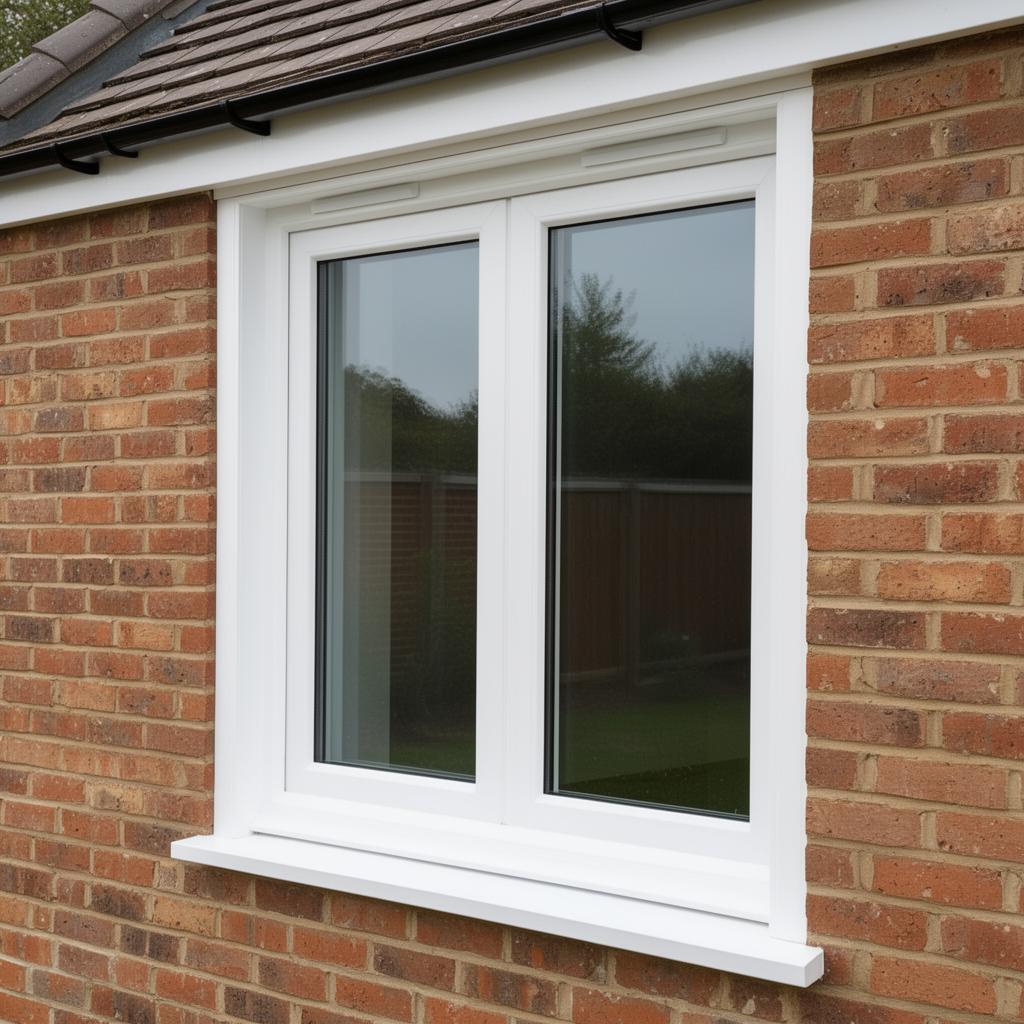
A flush casement reads correctly against the thick reveals and lime-plaster faces common in St Austell's older cottages, where a storm-proof lip would sit awkwardly and shadow-cast wrong. Recent example around Mevagissey: small bespoke casements made to fit non-standard clay-cottage openings — the exact brief this angle answers.
Cost in St Austell
Typical cottage budget in St Austell: £850–£1,650 per opening, supplied & fitted. A recent small bespoke casements made to fit non-standard clay-cottage openings job priced inside that band. Every quote is written and itemised — no phone estimates.
Planning in St Austell
Planning: Charlestown is a Grade II* registered Georgian harbour with very strict design controls. Local authority is Cornwall Council. We handle notification where required, at no separate fee. St Austell's housing reflects its china-clay history — terraces of small workers' cottages built for clay families, plus a harbour conservation area at Charlestown that's strictly controlled.
How a St Austell cottage job runs
- 1Survey. On-site walk of every opening at your St Austell address — measurements, photos, condition notes, with small awkward openings on clay-era terraces flagged where relevant.
- 2Planning support. Where Cornwall Council needs a submission for a St Austell address, we prepare elevations, product data and matching rationale — Charlestown is a Grade II* registered Georgian harbour with very strict design controls.
- 3Manufacture. Frames made to your St Austell opening dimensions, typically 4–6 weeks — recent lead-time on a china-clay-era terraces near Charlestown was inside that band.
- 4Handover. Warranty pack, care notes for your china-clay-era terraces, and a direct line for future work across St Austell and Mevagissey.
Coverage: we quote across St Austell and out to Par, Fowey, Lostwithiel, and pick up work in Mevagissey, Charlestown and Pentewan on the same run — batched visits keep small jobs economic. Nearest strategic route: the A390. Local authority: Cornwall Council.
Related services for St Austell
Prefer the town service page? See window replacements in St Austell or spraying in St Austell.
Common questions from St Austell owners
How long do timber cottage frames last around St Austell?
Engineered timber with a microporous factory finish typically lasts 30–60 years on a St Austell cottage, with a light recoat every 8–12 years. Feedback from B.: "Made our awkward old clay cottage actually warm."
Do you make cottage windows to fit non-square openings in St Austell?
Yes — every St Austell cottage window is templated on site so the frame arrives to fit your reveal, not the other way around. A recent St Austell example: small bespoke casements made to fit non-standard clay-cottage openings.
Can I keep the leaded-light look in St Austell?
Bonded leaded overlays on double-glazed units reproduce the diamond-pane look with none of the draughts, and are our default recommendation for St Austell cottage refurbs. We've handled this on china-clay-era terraces near Mevagissey recently.
Can you make non-standard sized windows?
Yes — every window we fit is made to measure, so unusual clay-cottage openings are no problem.
Will Charlestown's heritage controls accept on-site spraying?
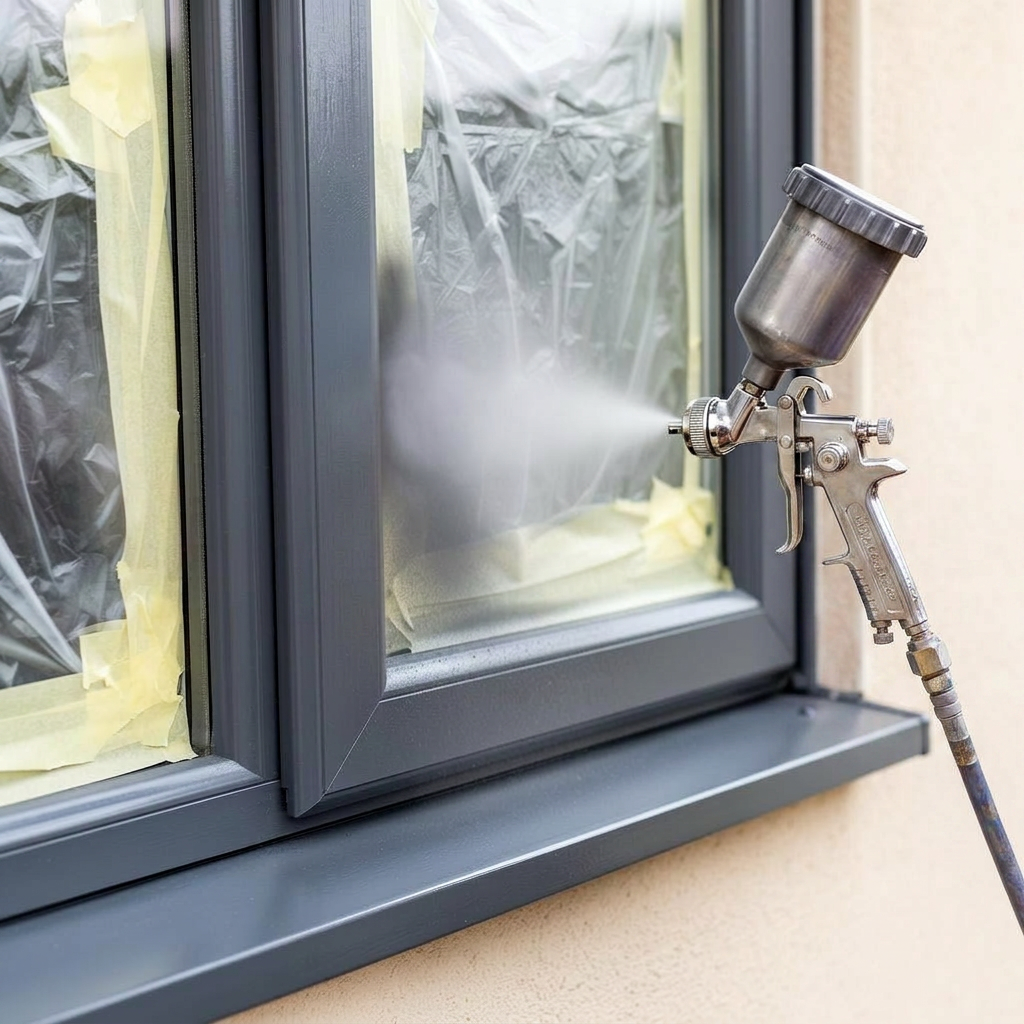
Generally yes, where the colour is sympathetic — we've sprayed several Charlestown properties without issue.
The St Austell takeaway
Because St Austell's stock includes china-clay-era terraces and harbour cottages at charlestown, the right cottage spec varies house to house — no default across Mevagissey, Charlestown or Pentewan.
The St Austell answer usually starts with: get the survey first, get the spec right for a china-clay-era terraces, and expect written figures before anyone commits.
St Austell's housing reflects its china-clay history — terraces of small workers' cottages built for clay families, plus a harbour conservation area at Charlestown that's strictly controlled. That local context shapes how we spec cottage work in St Austell versus a generic Cornwall template.
Recent St Austell feedback: "Made our awkward old clay cottage actually warm." (Stephen B.). Every quote is written, itemised and pressure-free.
Talk cottage windows in St Austell
Bring us photos or drop us a line — we'll walk your St Austell cottage, template each opening and quote in writing. Nothing off-the-shelf. We're often nearby — recent runs into Pentewan and Mevagissey make St Austell visits easy to slot in.
Book a St Austell surveyReady to start your project?
Free quotes · 10-year guarantee · Friendly local service.