
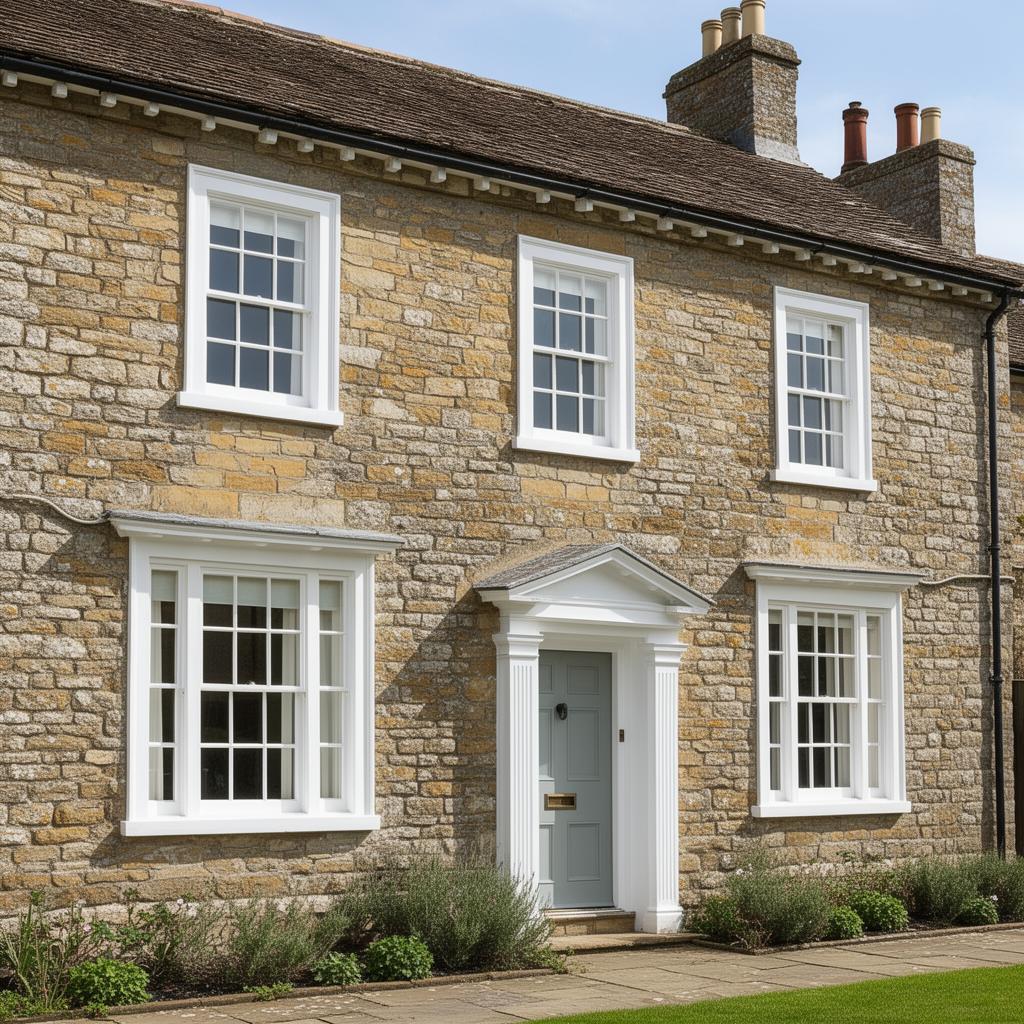
Sensitive Replacements Inside Plymouth's Conservation Zones (PL1)
Bespoke conservation window work in Plymouth — surveyed on site, quoted in writing, backed by a 10-year workmanship guarantee.
Owners inside Plymouth's conservation area come to us tired of installers who quote first and check planning later. Our process starts with the constraint, then works backwards to a product that will actually be approved.
Conservation-area addresses in Plymouth (PL1) — and neighbouring Torpoint (2 mi west), Plympton (4 mi east), Saltash (4 mi north-west), Ivybridge (10 mi east) — get more than a product quote from us. We prepare submission-ready documentation and hold client hand throughout Plymouth City Council's process.
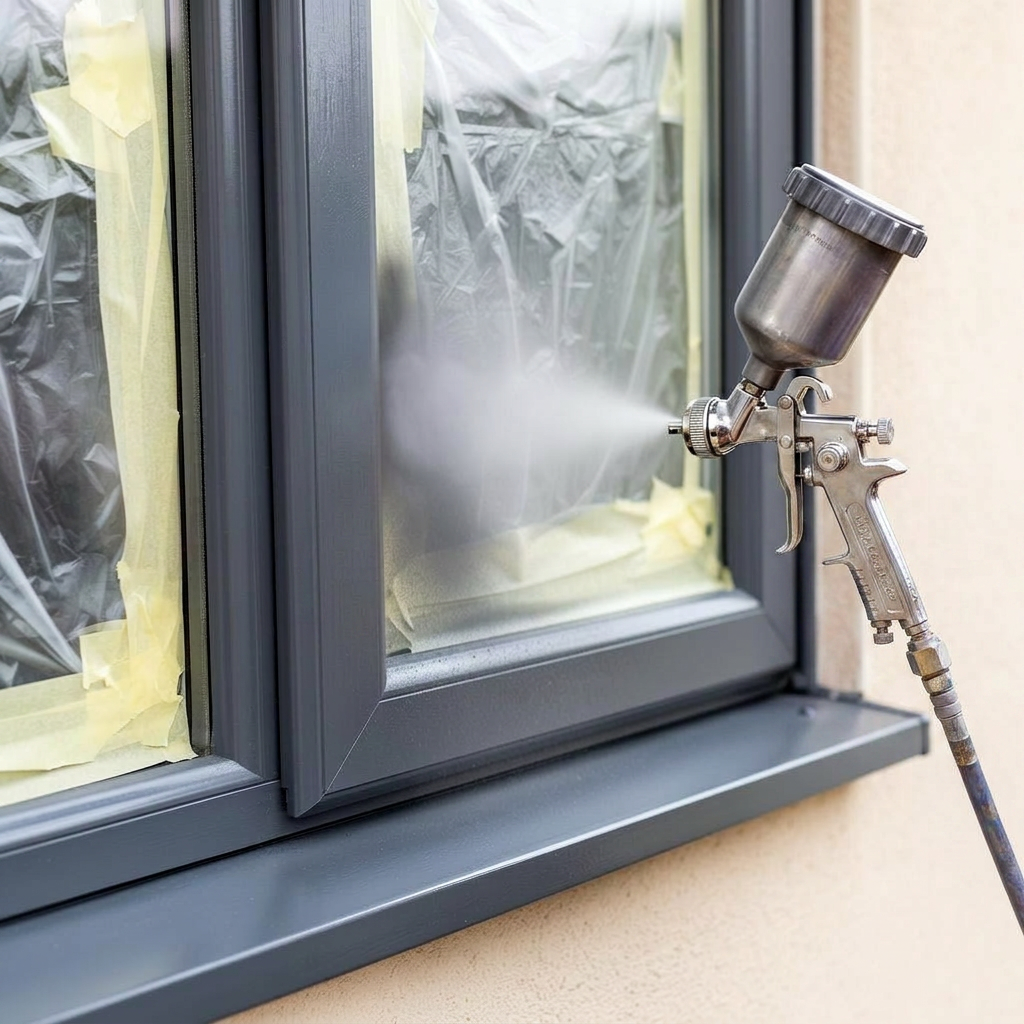
Local context: Plymouth's exposure to Channel weather and its huge stock of postwar housing means a lot of windows here are already on their second or third generation. Spraying is particularly popular in Plymstock and Plympton where 90s estates went up with white uPVC en masse. Common triggers we hear from Plymouth owners are chalking and yellowing across postwar uPVC in Plymstock and salt scoring on south-facing Barbican apartment frames.
Housing stock around Plymouth skews toward 1950s post-war terraces in devonport, edwardian villas in mannamead, harbour-facing apartments in the barbican, 1980s estate housing in plympton — each has its own reveal depth, sightline expectation and detail that our conservation spec answers directly.
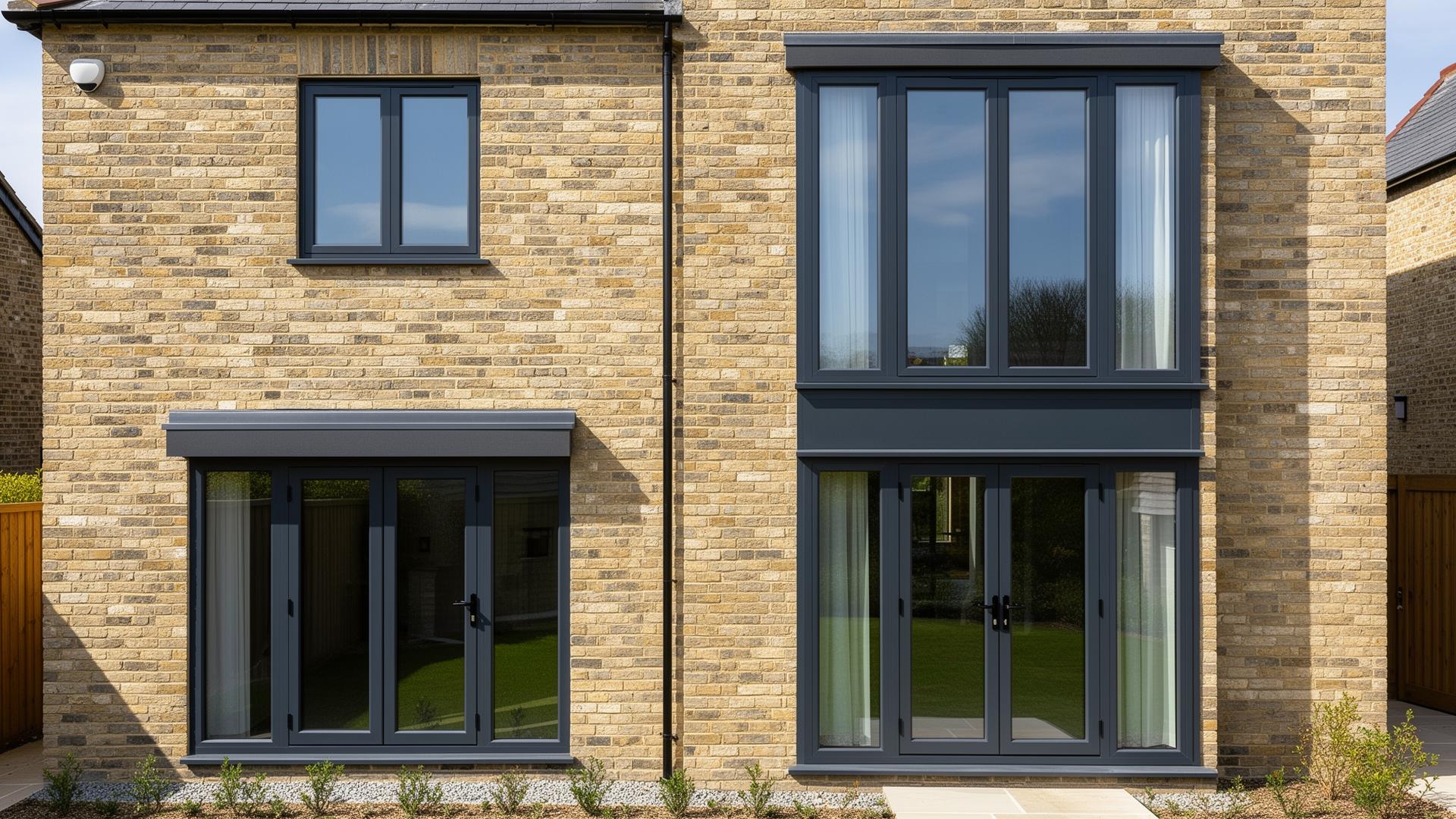
A typical conservation brief in Plymouth looks like full house replacement on a Plympton 1990s detached, switching to anthracite, or on the refresh side, estate-wide colour refresh across white uPVC in Plymstock cul-de-sacs.
Planning note for Plymouth: The Barbican and Hoe areas have heritage controls; suburban Plympton and Plymstock have very few constraints on replacement or spraying.
Neighbourhoods and villages we're regularly in around Plymouth: Plymstock, Plympton, Saltash, Ivybridge.
A recent Plymouth customer put it this way: "Quoted, surveyed and sprayed inside two weeks. House looks ten years newer." — Dan L.
We reach Plymouth from Cranbrook via the A38 Devon Expressway — around 41 miles — batching visits into Torpoint and Plympton where we can.
Who this guide is for in Plymouth
Written for owners of homes inside conservation areas in Plymouth. Housing stock around here is dominated by 1950s post-war terraces in devonport, edwardian villas in mannamead, harbour-facing apartments in the barbican, and the specification advice below is calibrated to those buildings — not a generic Devon template.
Recommended spec for Plymouth
- Micro-porous factory finish in traditional colours (F&B, Little Greene, RAL heritage)
- Timber flush casements with putty-line profile matching original detail
- Full submission pack: elevations, product data, matching-material rationale
- Bonded, integral or true glazing bar options based on planning brief
- Ironmongery grade lifted where salt scoring on south-facing barbican apartment frames would otherwise shorten service life on Plymstock elevations.
- Local-issue answer: spec accounts for chalking and yellowing across postwar upvc in plymstock — a pattern we see on edwardian villas in mannamead out toward Plympton.
Sightlines conservation officers actually want in Plymouth
A slim-cassette unit at 14mm reads visually as single-glazed from the pavement, and that's the sightline conservation officers around Plymouth check first. We measure and specify against that reading directly. L. put it plainly: "Quoted, surveyed and sprayed inside two weeks. House looks ten years newer.".
Cost in Plymouth
Typical conservation budget in Plymouth: £1,050–£2,100 per opening, supplied & fitted. A recent full house replacement on a plympton 1990s detached, switching to anthracite job priced inside that band. Every quote is written and itemised — no phone estimates.
Planning in Plymouth
Planning: The Barbican and Hoe areas have heritage controls; suburban Plympton and Plymstock have very few constraints on replacement or spraying. Local authority is Plymouth City Council. We prepare full submission packs where needed. Plymouth's exposure to Channel weather and its huge stock of postwar housing means a lot of windows here are already on their second or third generation. Spraying is particularly popular in Plymstock and Plympton where 90s estates went up with white uPVC en masse.
How a Plymouth conservation job runs
- 1Manufacture. Frames made to your Plymouth opening dimensions, typically 4–6 weeks — recent lead-time on a 1950s post-war terraces in devonport near Plympton was inside that band.
- 2Survey. On-site walk of every opening at your Plymouth address — measurements, photos, condition notes, with chalking and yellowing across postwar upvc in plymstock flagged where relevant.
- 3Install. Clean, calm, dressed for occupied rooms — most Plymouth jobs finish in 1–3 working days; a recent edwardian villas in mannamead at Saltash ran to two.
- 4Written quote. Itemised per opening with conservation-appropriate spec, delivered inside 5 working days from a Plymouth survey — comparable against any second quote you take around Plymstock.
- 5Handover. Warranty pack, care notes for your 1950s post-war terraces in devonport, and a direct line for future work across Plymouth and Plymstock.
Coverage: we quote across Plymouth and out to Torpoint, Plympton, Saltash, and pick up work in Plymstock, Plympton and Saltash on the same run — batched visits keep small jobs economic. Nearest strategic route: the A38 Devon Expressway. Local authority: Plymouth City Council.
Related services for Plymouth
Prefer the town service page? See window replacements in Plymouth or spraying in Plymouth.
Common questions from Plymouth owners
How long does a conservation submission take around Plymouth?
Typical planning turnaround from Plymouth councils is 8 weeks, sometimes shorter with a complete pack. We factor that into every install date we quote. Feedback from L.: "Quoted, surveyed and sprayed inside two weeks. House looks ten years newer."
Are all windows in Plymouth conservation areas restricted?
Not automatically — the restriction depends on whether an Article 4 direction is in place. We check the specific address in Plymouth before quoting so you have facts, not assumptions. We've handled this on 1950s post-war terraces in devonport near Plymstock recently.
Will Plymouth City Council accept uPVC in a Plymouth conservation area?
Rarely on street-facing elevations — timber or timber-effect aluminium is usually the Plymouth City Council expectation. Rear elevations often have more flexibility. A recent Plymouth example: full house replacement on a plympton 1990s detached, switching to anthracite.
Do you work with managing agents on Hoe-side apartments?
Yes — we've handled multi-unit jobs with managing agents and freeholders, including before-and-after specs for sign-off.
What's the most popular Plymouth colour change?
Anthracite Grey 7016 by a wide margin, followed by Chartwell Green for the older Mannamead villas.
Next steps for conservation work in Plymouth
Because Plymouth's stock includes 1950s post-war terraces in devonport and edwardian villas in mannamead, the right conservation spec varies house to house — no default across Plymstock, Plympton or Saltash.
The Plymouth answer usually starts with: get the survey first, get the spec right for a 1950s post-war terraces in devonport, and expect written figures before anyone commits.
Recurring Plymouth triggers — chalking and yellowing across postwar upvc in plymstock and salt scoring on south-facing barbican apartment frames — both feed directly into the recommendation you'll see in your written quote.
Plymouth's exposure to Channel weather and its huge stock of postwar housing means a lot of windows here are already on their second or third generation. Spraying is particularly popular in Plymstock and Plympton where 90s estates went up with white uPVC en masse. That local context shapes how we spec conservation work in Plymouth versus a generic Devon template.
Plan your Plymouth conservation refit
Sensitive spec, complete submission pack, honest timelines — no surprises when Plymouth planners come back. The Barbican and Hoe areas have heritage controls; suburban Plympton and Plymstock have very few constraints on replacement or spraying.
Talk to us about PlymouthReady to start your project?
Free quotes · 10-year guarantee · Friendly local service.