Conservation Area Windows in Bath
Conservation Area Windows for owners of homes inside conservation areas in Bath and across BA1.
Owners inside Bath's conservation area come to us tired of installers who quote first and check planning later. Our process starts with the constraint, then works backwards to a product that will actually be approved.
Working inside Bath's conservation area means starting the survey with planning, not product. Bath & North East Somerset Council conservation officers expect the right sightlines, glazing bar proportions and materials before a single frame arrives on site.
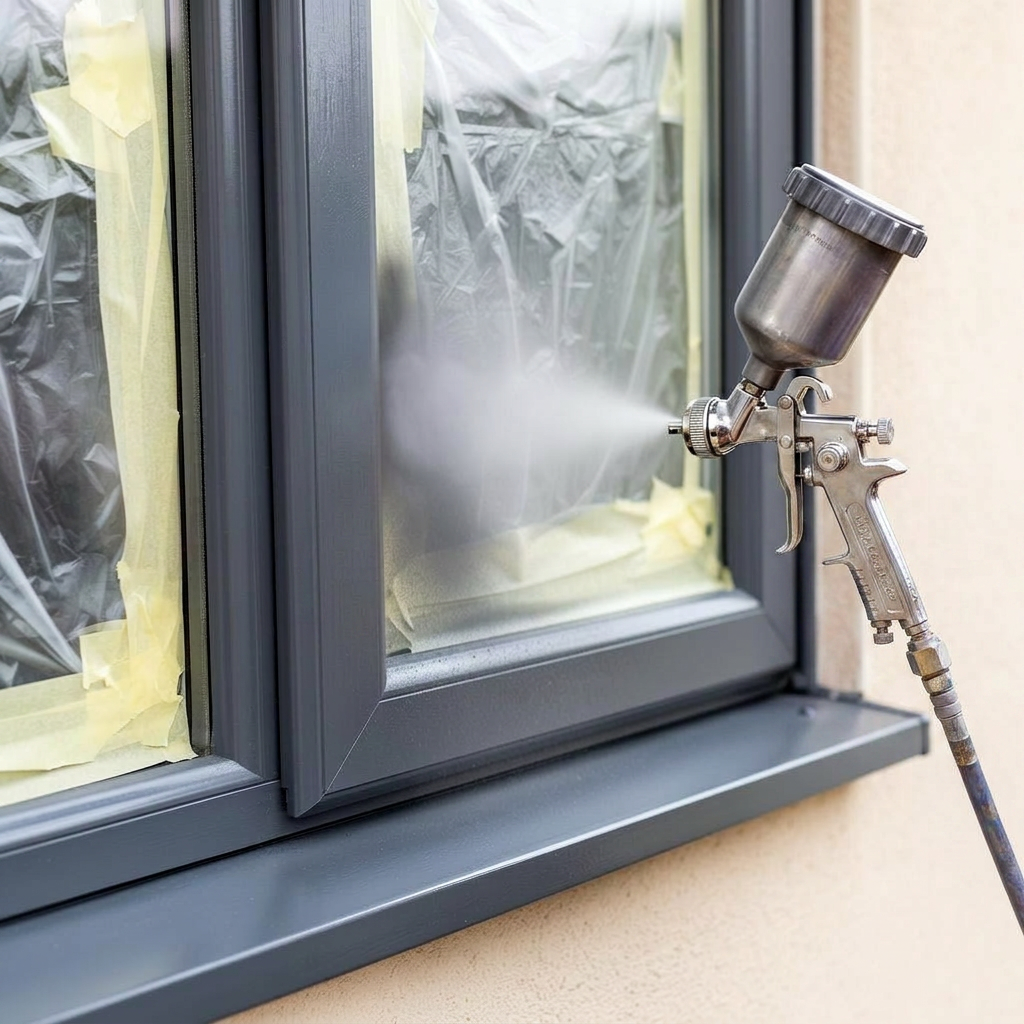
Local context: Bath's UNESCO World Heritage status means almost any window-visible work is heavily controlled. We tread carefully here, and recommend on-site spraying or carefully specified timber-effect units more often than not. Common triggers we hear from Bath owners are Georgian sashes losing weight cords and rotting and inappropriate uPVC fitted to listed terraces decades ago.
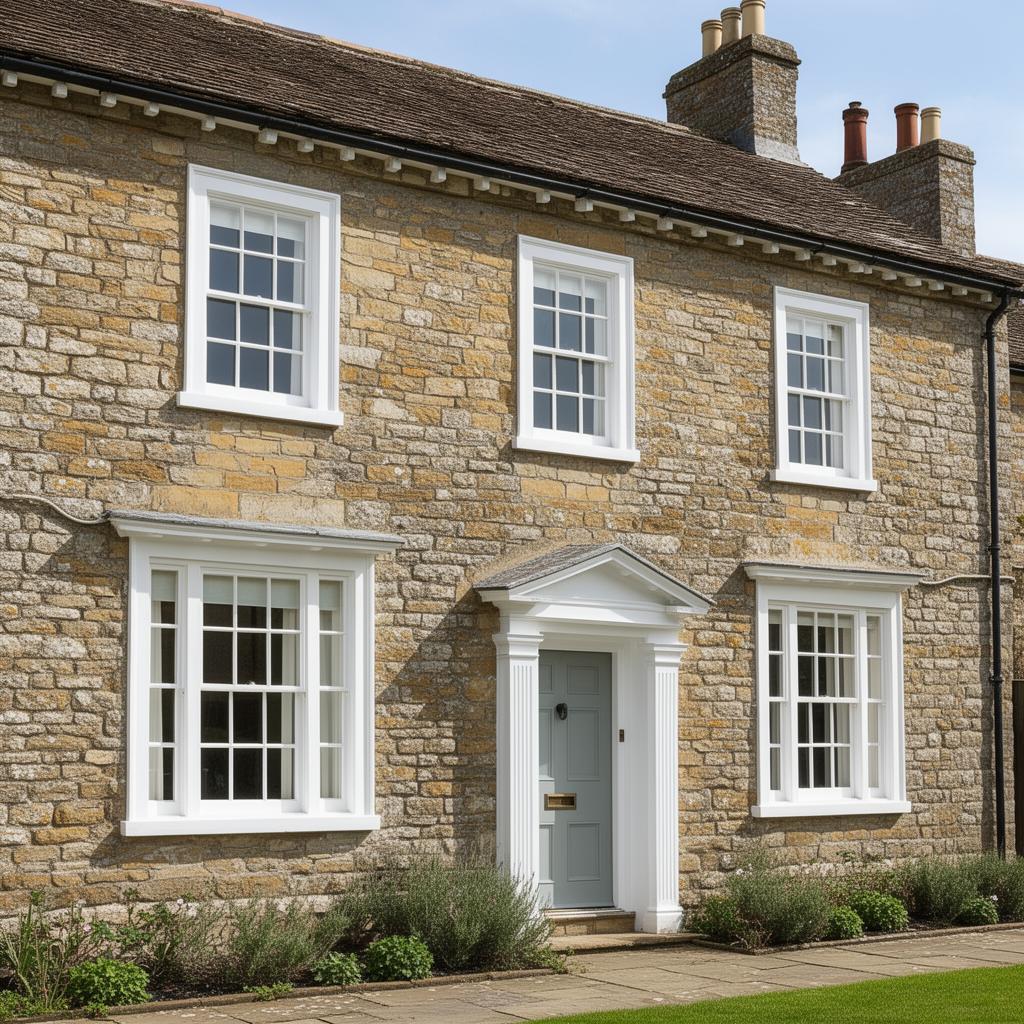
Housing stock around Bath skews toward bath-stone georgian crescents, victorian terraces in larkhall, combe down hillside houses — each has its own reveal depth, sightline expectation and detail that our conservation spec answers directly.
A typical conservation brief in Bath looks like true timber sash replacement on a listed Crescent property (via partner joiners), or on the refresh side, respraying inappropriate white plastic on a Larkhall Victorian terrace to a sympathetic off-white.
Planning note for Bath: Bath is a UNESCO World Heritage Site — listed-building consent is required for almost any visible window change in the central area.
Neighbourhoods and villages we're regularly in around Bath: Combe Down, Larkhall, Weston.
A recent Bath customer put it this way: "Honest about what spray could and couldn't do on our listed terrace." — Felicity D.
We reach Bath from Cranbrook via the A4/A36 — around 63 miles — batching visits into Keynsham and Radstock where we can.
Recommended spec for Bath
- True box-sash boxes with counterweight or spiral-balance operation
- Full submission pack: elevations, product data, matching-material rationale
- Micro-porous factory finish in traditional colours (F&B, Little Greene, RAL heritage)
- Bonded, integral or true glazing bar options based on planning brief
- Local-issue answer: spec accounts for georgian sashes losing weight cords and rotting — a pattern we see on victorian terraces in larkhall out toward Larkhall.
- Reveal detail templated against bath-stone georgian crescents depths measured on jobs around Weston.
How a Bath conservation job runs
- 1Planning support. Where Bath & North East Somerset Council needs a submission for a Bath address, we prepare elevations, product data and matching rationale — Bath is a UNESCO World Heritage Site — listed-building consent is required for almost any visible window change in the central area.
- 2Install. Clean, calm, dressed for occupied rooms — most Bath jobs finish in 1–3 working days; a recent victorian terraces in larkhall at Weston ran to two.
- 3Manufacture. Frames made to your Bath opening dimensions, typically 4–6 weeks — recent lead-time on a bath-stone georgian crescents near Larkhall was inside that band.
- 4Sign-off. 10-year workmanship guarantee paperwork registered on your behalf, plus manufacturer-backed cover on units and hardware. Recent Bath feedback from D.: "Honest about what spray could and couldn't do on our listed terrace."
- 5Written quote. Itemised per opening with conservation-appropriate spec, delivered inside 5 working days from a Bath survey — comparable against any second quote you take around Combe Down.
Article 4 directions in Bath
Parts of Bath sit under Article 4 directions removing permitted development rights on windows. We check the planning constraint before quoting so no Bath & North East Somerset Council surprise lands after work starts. We saw this recently on a bath-stone georgian crescents near Larkhall, where georgian sashes losing weight cords and rotting was the deciding factor.
Cost in Bath
Typical conservation budget in Bath: £1,050–£2,100 per opening, supplied & fitted. A recent true timber sash replacement on a listed crescent property (via partner joiners) job priced inside that band. Every quote is written and itemised — no phone estimates.
Who this guide is for in Bath
Written for owners of homes inside conservation areas in Bath. Housing stock around here is dominated by bath-stone georgian crescents, victorian terraces in larkhall, combe down hillside houses, and the specification advice below is calibrated to those buildings — not a generic Somerset template.
Planning in Bath
Planning: Bath is a UNESCO World Heritage Site — listed-building consent is required for almost any visible window change in the central area. Local authority is Bath & North East Somerset Council. We prepare full submission packs where needed. Bath's UNESCO World Heritage status means almost any window-visible work is heavily controlled. We tread carefully here, and recommend on-site spraying or carefully specified timber-effect units more often than not.
Coverage: we quote across Bath and out to Keynsham, Radstock, Midsomer Norton, and pick up work in Combe Down, Larkhall and Weston on the same run — batched visits keep small jobs economic. Nearest strategic route: the A4/A36. Local authority: Bath & North East Somerset Council.
Common questions from Bath owners
Do you handle planning submissions for Bath owners?
Yes — a full submission with elevations, product data and matching rationale is included when work needs consent, at no separate fee. A recent Bath example: true timber sash replacement on a listed crescent property (via partner joiners).
Are all windows in Bath conservation areas restricted?
Not automatically — the restriction depends on whether an Article 4 direction is in place. We check the specific address in Bath before quoting so you have facts, not assumptions. Bath is a UNESCO World Heritage Site — listed-building consent is required for almost any visible window change in the central area.
Will Bath & North East Somerset Council accept uPVC in a Bath conservation area?
Rarely on street-facing elevations — timber or timber-effect aluminium is usually the Bath & North East Somerset Council expectation. Rear elevations often have more flexibility. Feedback from D.: "Honest about what spray could and couldn't do on our listed terrace."
Are you experienced with Bath's listed-building consent process?
Yes — we work to specs that consistently get approved by Bath & North East Somerset's heritage team, and partner with traditional timber joiners for full timber installs.
Will an on-site respray need consent?
For listed buildings, often yes; we can supply colour and spec details to support an application.
Related services for Bath
Prefer the town service page? See window replacements in Bath or spraying in Bath.
What Bath owners should know
Recurring Bath triggers — georgian sashes losing weight cords and rotting and inappropriate upvc fitted to listed terraces decades ago — both feed directly into the recommendation you'll see in your written quote.
Whether the Bath job is true timber sash replacement on a listed crescent property (via partner joiners) or respraying inappropriate white plastic on a larkhall victorian terrace to a sympathetic off-white, we quote both routes when both are viable and let you choose on evidence.
Recent Bath feedback: "Honest about what spray could and couldn't do on our listed terrace." (Felicity D.). Every quote is written, itemised and pressure-free.
The Bath answer usually starts with: get the survey first, get the spec right for a bath-stone georgian crescents, and expect written figures before anyone commits.
Book a conservation-aware survey in Bath
We'll check any Article 4 constraint on your Bath address, walk each opening, and quote with a full Bath & North East Somerset Council submission included where needed. Booking window currently open for Combe Down, Larkhall and wider Bath.
Arrange a Combe Down area visitReady to start your project?
Free quotes · 10-year guarantee · Friendly local service.