Timber Casement Windows
Side and top hung wooden casements, made to the pattern of your house and glazed for modern comfort.
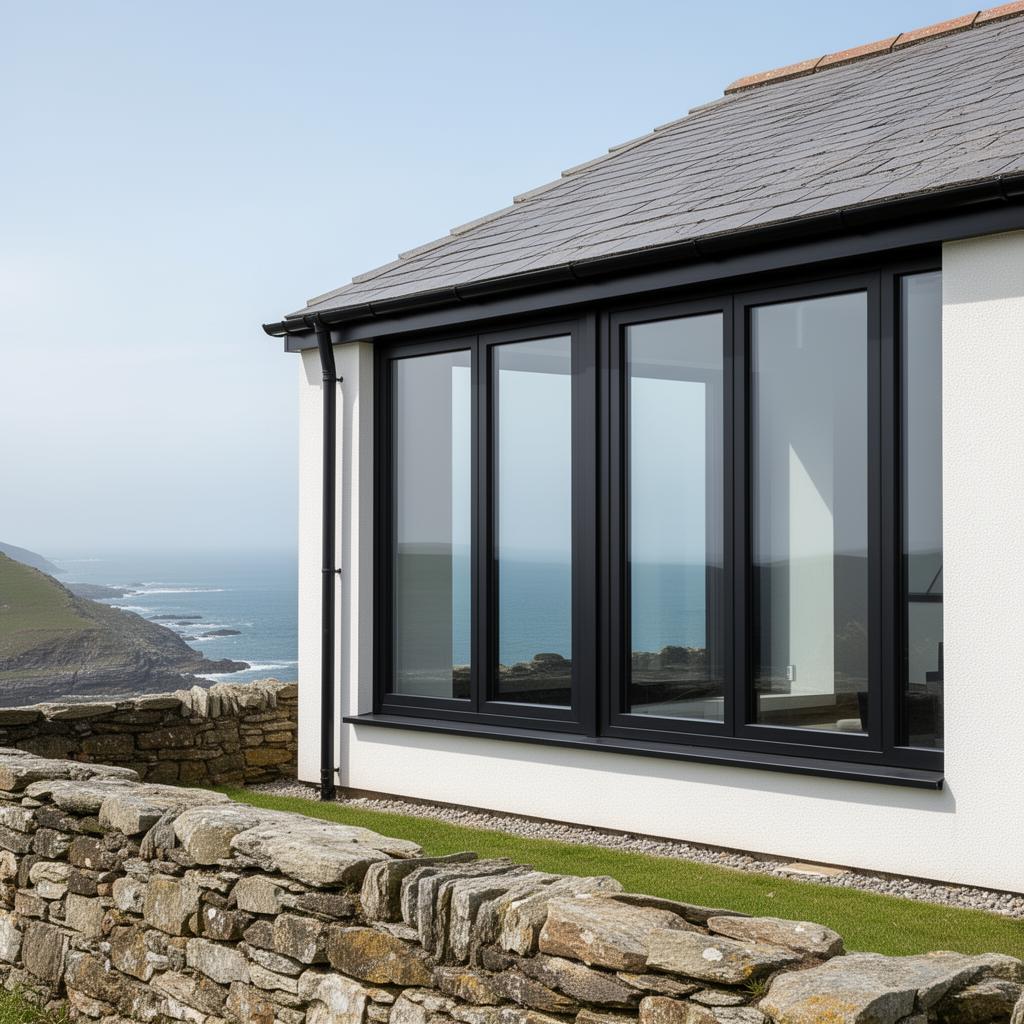
Timber casement windows are hinged wooden windows that open outwards like a door, and we make and fit them in engineered hardwood with double glazing, a factory paint finish and our 10 year guarantee. They suit cottages, farmhouses, Victorian terraces and listed homes where plastic would look out of place, with each quote based on the openings and agreed specification.
Below we explain how a wooden casement is put together, which opening styles and glazing options are worth choosing, how long they take to make, and what looking after them really involves in a wet, salty South West climate.
How a wooden casement is built
Every casement has two parts: the outer frame fixed into the wall, and the opening leaf, or sash, hung on hinges. Traditional joiners cut both from solid softwood, which is why so many 1970s replacements have twisted, split or rotted at the bottom rail. We specify engineered timber instead, made from laminated strips glued with the grain opposed, so the section stays straight and stable through wet winters and dry summers.
Engineered European Redwood is the usual choice for painted work. Oak, sapele and Accoya are alternatives where a different grain, a stained finish or extra durability on an exposed face is wanted.
Opening styles to choose from
On older houses the flush style is usually the correct one, because that is how the windows were first made. Storm proof casements are fine on later houses and rear elevations. Our flush versus standard casement guide goes into the difference in detail.
- Side hung: the classic cottage casement, opening like a small door
- Top hung: hinged at the head, handy above worktops and for ventilation in rain
- Fixed lights: glazed panels beside an opener to keep proportions even
- Flush: the leaf closes level with the frame, the look of original joinery
- Storm proof: the leaf overlaps the frame, a stepped modern profile
Glazing: standard or slim
For an unlisted home, the frame takes the same argon filled, warm edge double glazed units as any modern window, giving thermal figures that satisfy building regulations. On a listed building or in a conservation area, slim glazing units let the glazing bars stay narrow, so the new window reads the same as the old one from the pavement. Bars can be true dividing bars or bonded astragal bars on both faces of the glass.
Ironmongery and security
Wooden windows used to rely on a single peg stay and a cockspur catch. New timber casements carry multi point locking behind traditional looking handles, friction or butt hinges to suit the style, and restrictors on upper floors where children are about. Near the coast, stainless steel hardware resists the pitting that salt air causes on cheaper metals. The look stays period while the locking is up to date.
Lead time and fitting
Because every casement is made to the measured openings, manufacture begins after the survey and specification are agreed. Fitting follows the same careful sequence as any replacement: old frames out one opening at a time, new frame packed and fixed, sealed to the wall and made good inside so the house is never left open overnight. Our timber installation page walks through that day by day.
Looking after wooden casements
A factory applied microporous paint lets moisture escape from the wood while shedding rain, so the first cycle lasts much longer than brushed site paint. Expect a light sand and recoat around every eight to ten years on exposed elevations and twelve to fifteen on sheltered ones. Keep the cill and bottom rail sound, since that is where water sits and where decay nearly always starts. Our spraying team can refinish timber frames in place without removing them.
Timber or uPVC casements?
uPVC casements cost less and need very little upkeep, which makes them the practical answer on many modern houses and rentals. Timber costs more and wants repainting, but it can be repaired, recoloured and kept going far longer, and it is the material planners expect on listed buildings and in many conservation areas. We price both side by side at survey so the choice is made on real figures.
Questions people ask
Are timber casement windows expensive?
The cost depends on the opening, timber, glazing, finish and detailing, so we provide a written quote after surveying the property.
Can timber casements be double glazed?
Yes. Unlisted homes take standard double glazed units; listed and conservation properties usually use slim units where the agreed sightlines require them.
Will wooden casements rot?
Engineered timber with a factory finish is far more resistant than old solid softwood, provided the paint is kept in good order, particularly on cills.
Can you match my existing cottage windows?
Yes. We measure the existing joinery, including bar widths and mouldings, and have the new casements made to the same pattern.
Do timber casements come with a guarantee?
Yes, our standard 10 year guarantee.
Get a free, no pressure survey
We measure, advise on the right option for your property and put the price in writing. Every installation and spray project carries our 10 year guarantee.
Ready to start your project?
Free quotes · 10-year guarantee · Friendly local service.