
Rot in Timber Window Frames
How to tell how far it has gone, and whether the frame can be saved.
Rot is the most common reason timber windows fail, and it nearly always starts in the same places: the bottom rail of the sash, the cill and the lower joints of the frame, where rainwater sits after every shower.
Caught early it is a repair. Left for a few winters it becomes a replacement. This guide explains how to check your own windows before you call anyone.
How to check for rot
- Press a screwdriver into cills and bottom rails; sound timber resists
- Look for paint that is cracked, bubbled or lifting at joints
- Check for dark staining or soft, spongy patches
- Watch for glass that rattles because putty or beads have loosened
Wet rot or dry rot?
Almost all window rot is wet rot, caused by timber that stays damp. It stays local to the wet area and stops once the timber dries and is repaired. True dry rot is a fungus that can spread through masonry and other timbers; it is less common in windows but serious if found, and needs the source of damp dealt with as well as the timber.
When repair works
If decay is limited to a cill or the bottom of a sash, the rotten section can be cut out and new timber spliced in, then primed and painted. This keeps the original window and is often what conservation officers prefer on listed buildings.
When replacement makes more sense
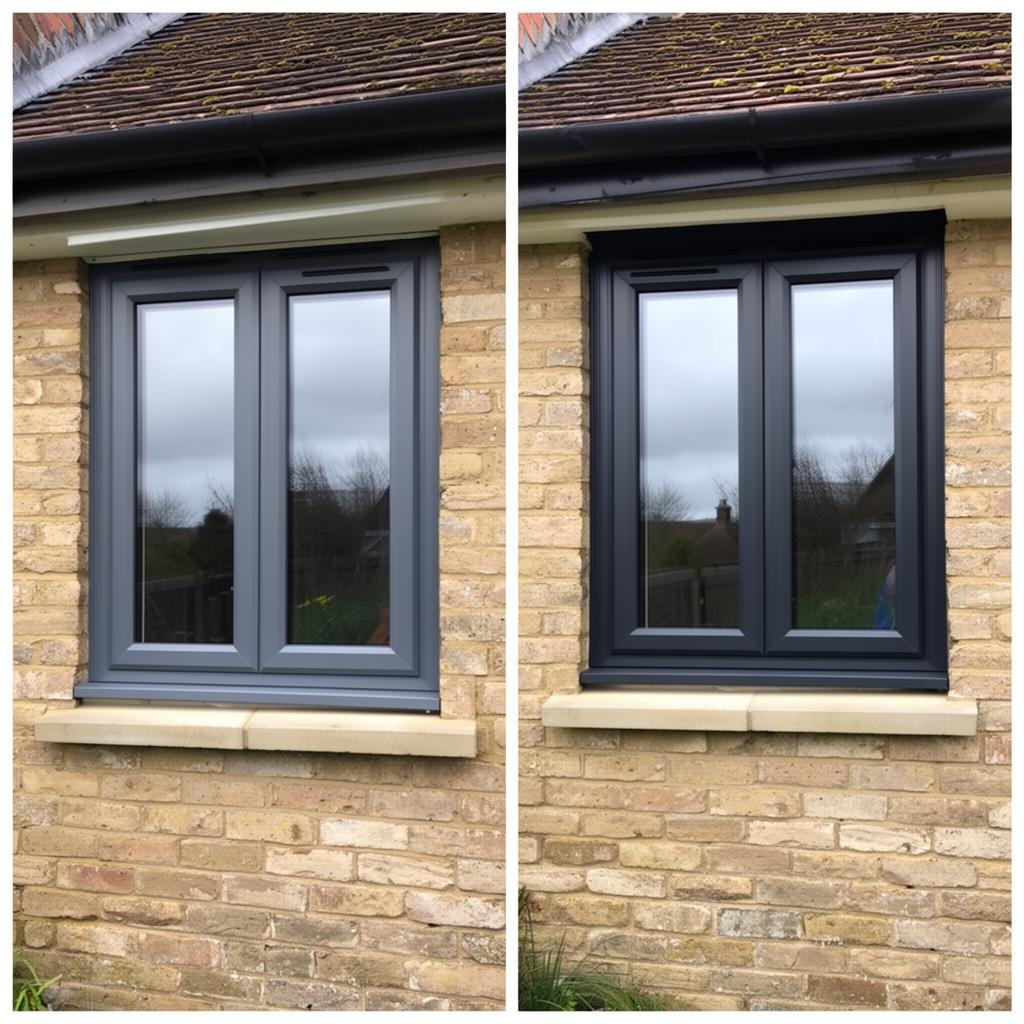
If rot runs up the stiles, has reached several joints, or previous repairs have already been patched with filler, replacement is usually better value. Modern engineered hardwood frames with factory finishes resist the twisting and decay that ended many older softwood windows.
Preventing it coming back
Keep paint intact, especially on horizontal surfaces, clear drainage slots and check the seal between the frame and wall. Most rot starts where water has been able to get behind a small crack in the finish.
Coastal and exposed elevations
South and west facing windows on exposed Devon, Cornwall and Dorset elevations take the most rain and sun, so their paint fails first and rot follows. Checking these elevations each spring, and touching in any cracked paint on cills and bottom rails, is the single cheapest way to add years to a timber window. When replacing, specifying engineered timber with a factory finish on those elevations pays back fastest.
Questions people ask
Can filler fix rotten window frames?
For very small shallow areas, a resin repair can work. Deep rot needs cutting out, or it continues underneath.
Is rot covered by home insurance?
Usually not, as it is treated as gradual deterioration.
Do you repair rather than replace?
We assess every window honestly and tell you whether repair or replacement is the sensible option.
Will new timber windows rot too?
Far less readily with engineered timber and factory finishes, provided paint is maintained.
Get a free, no pressure survey
We measure, advise on the right option for your property and put the price in writing. Every installation and spray project carries our 10 year guarantee.
Ready to start your project?
Free quotes · 10-year guarantee · Friendly local service.